 Doha Clinics

 العربية
Sport & recovery
Mental Healthcare for Athletes

Mental healthcare for recreational athletes is as important as it is for competitive athletes.
Over the years this has become an important and visible global issue requiring strong and immediate action.
At least 40% of children and adolescents in a majority of countries worldwide, and approximately 20% of all adults globally, participate in organized recreational sport. fewer than 6% of these are likely to be elite athletes and covered under current statements pertaining to mental healthcare in sport.
This is important because based on world wide prevalence and participation data, approximately 8% of the population may participate in sport and have a mental health problem.
Our role as a health-care clinicians is to increase awareness for the general population and provide practical policy and guidelines to enhance mental health care safely and effectively.
We should be able to manage individuals looking for all contributing issues, optimize training & rehabilitation, and consider an individualized approach focusing on psycho-social factors following a plan that is well structured by an interdisciplinary team.
By Physio Tamim Hamoud.
This article is general information and does not replace individual medical advice.
Browse all articlesRelated articles
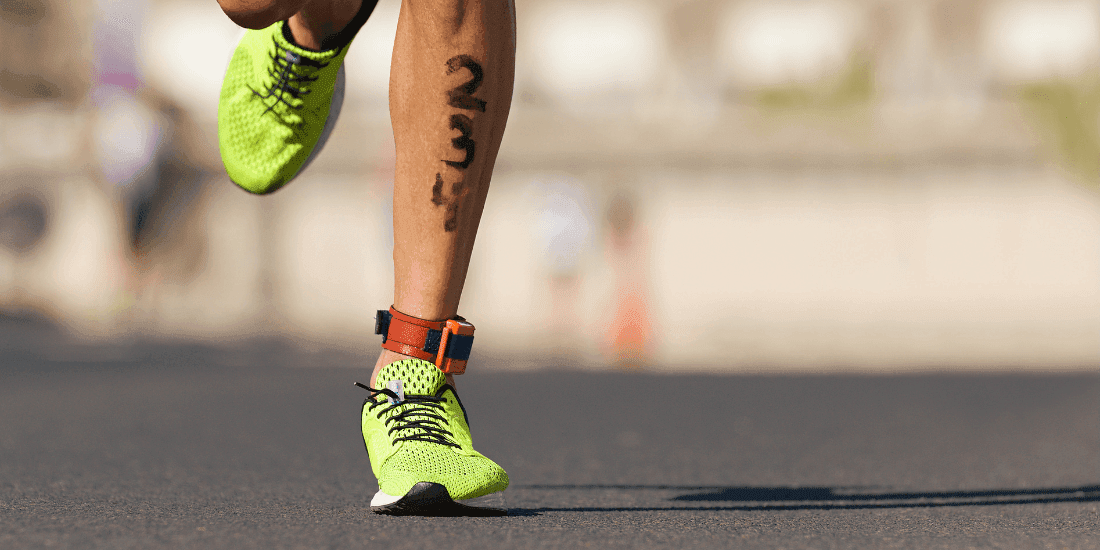
Which Running Trainers Have Been Banned By Ironman 2025
Have your running trainers been banned by Ironman 2025? And what to wear instead. The sport of triathlon, and particularly
Read article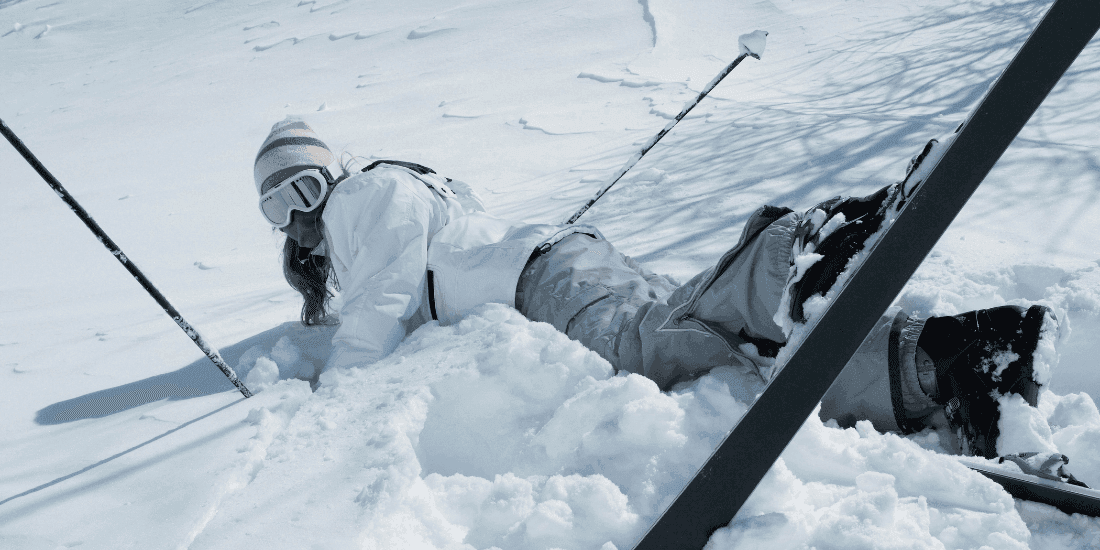
Skiing ACL Injuries: How to Stay on the Slopes
By Leo Mendrinos, Senior Physiotherapist at Anatomy Rehab The Skiing Injury No One Wants Skiing delivers a unique sense of
Read article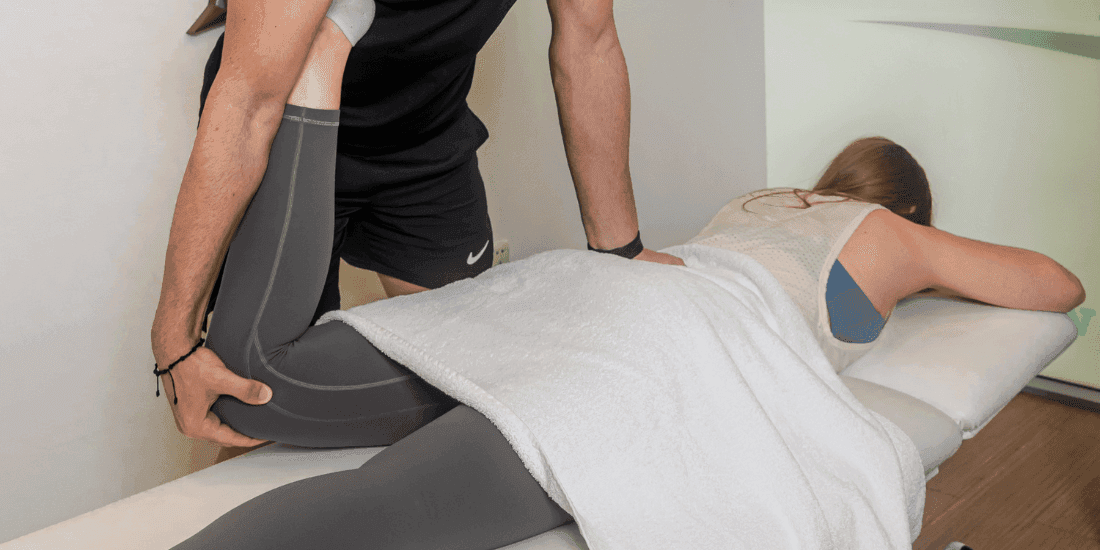
Pulled Hamstring Treatment and Sports Injury Care in Dubai
A pulled hamstring is a common sports injury that can sideline even the most active individuals. At Anatomy Rehab, we
Read article